
Self Service Kiosk
Transforming Fast Food Ordering with Intuitive Touch Interfaces
Overview
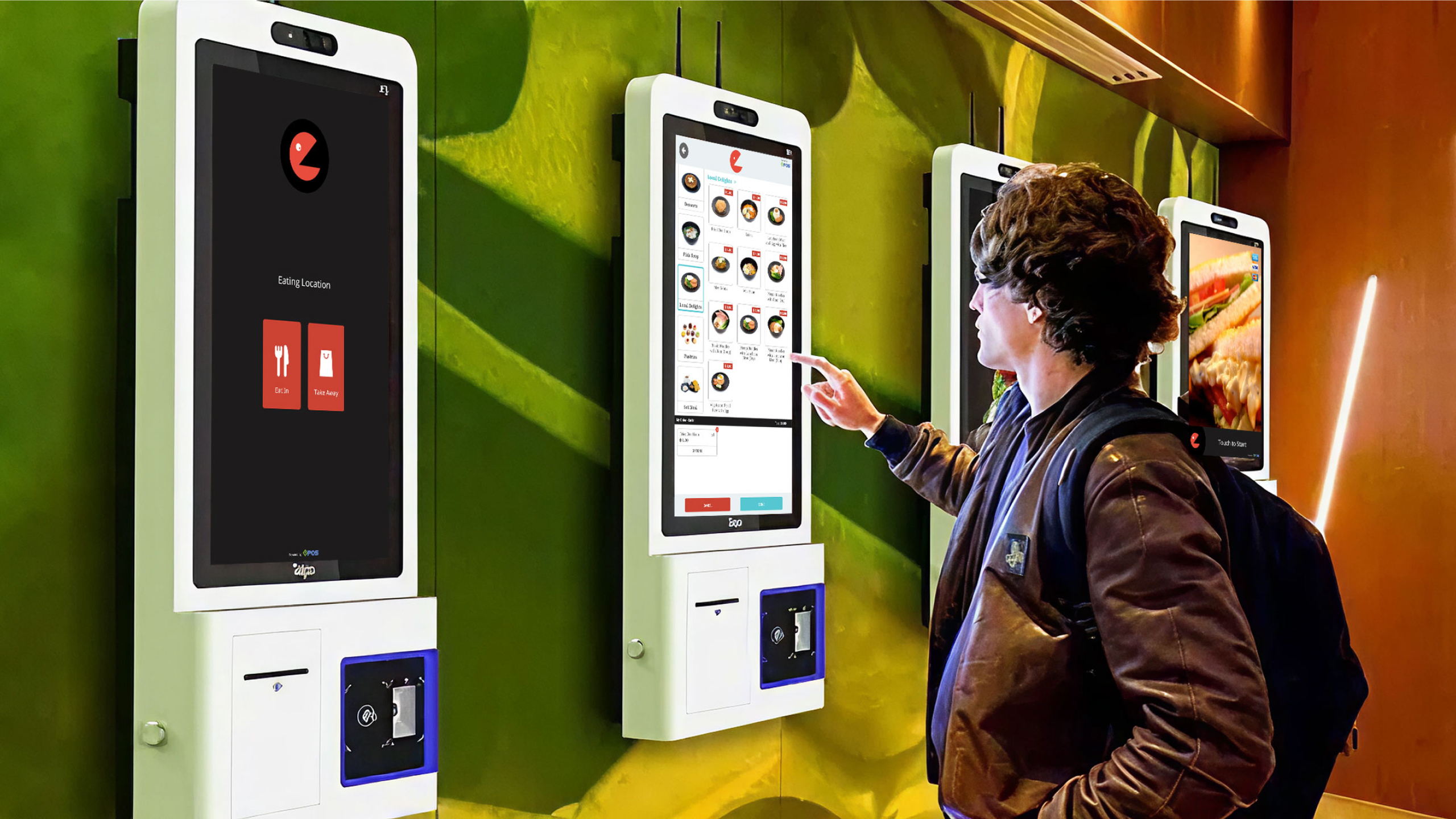
I led the design of a self-service ordering kiosk for fast-food restaurants, addressing both operational efficiency and revenue optimization.
The goal was not only to reduce queue congestion, but also to ensure consistent upsell execution and provide customers with a clearer, more empowering ordering experience. The solution balanced speed, discoverability, and smart merchandising to improve both service flow and average order value.
Fast-food stores aimed to reduce long ordering queues, especially during peak hours when counter congestion directly impacted customer satisfaction and throughput.
However, a deeper operational issue emerged:
- When staff were overloaded with orders, their priority shifted to speed over quality. Upsell steps — such as offering size upgrades, add-ons, bundles, or ongoing promotions — were often skipped.
- Revenue opportunities were inconsistent and dependent on cashier behavior rather than system logic.
- Customers lacked visibility into customization options. Many were unaware of available add-ons or upgrades unless prompted.
- Customizing meals required verbal back-and-forth with cashiers, slowing down service and increasing miscommunication risk.
- The counter became both a transaction point and a discovery interface — creating cognitive overload for both staff and customers.
The core problem was designing a system that could simultaneously reduce queue length, standardize upsell execution, and simplify customization without increasing interaction time.
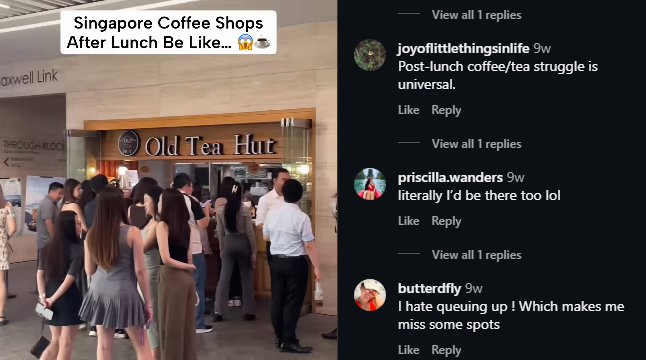
I reframed the kiosk as both a throughput optimization tool and a digital merchandising engine.
- Queue Reduction through Parallel Ordering
Shifted ordering load from cashier-dependent interactions to parallel self-service flows, reducing counter bottlenecks and freeing staff to focus on fulfillment. - Systemized Upsell Logic
Embedded smart upsell moments directly into the ordering flow:- Automated size upgrade prompts
- Contextual add-on suggestions
- Bundle optimization suggestions
- Promotion highlights at decision points
- Customization Without Friction
Designed structured, visual customization flows:- Clear add-on groupings
- Real-time price updates
- Visual ingredient toggles
- Step-by-step guided configuration
- Cognitive Load Reduction
Used progressive disclosure and large touch-friendly components to support:- Elderly users
- First-time kiosk users
- High-pressure peak-hour decisions
- Measurable Business Impact Focus
The design aimed to:- Reduce queue length and wait time
- Increase average order value through consistent upselling
- Reduce order errors caused by rushed cashier interactions
- Improve perceived ordering control for customers
Strategic Upselling Features
One of the key revenue-driving features was the intelligent add-on recommendation system. By strategically presenting complementary items and meal bundles at the right moment in the ordering flow, we helped restaurants increase average order value while enhancing the customer experience.
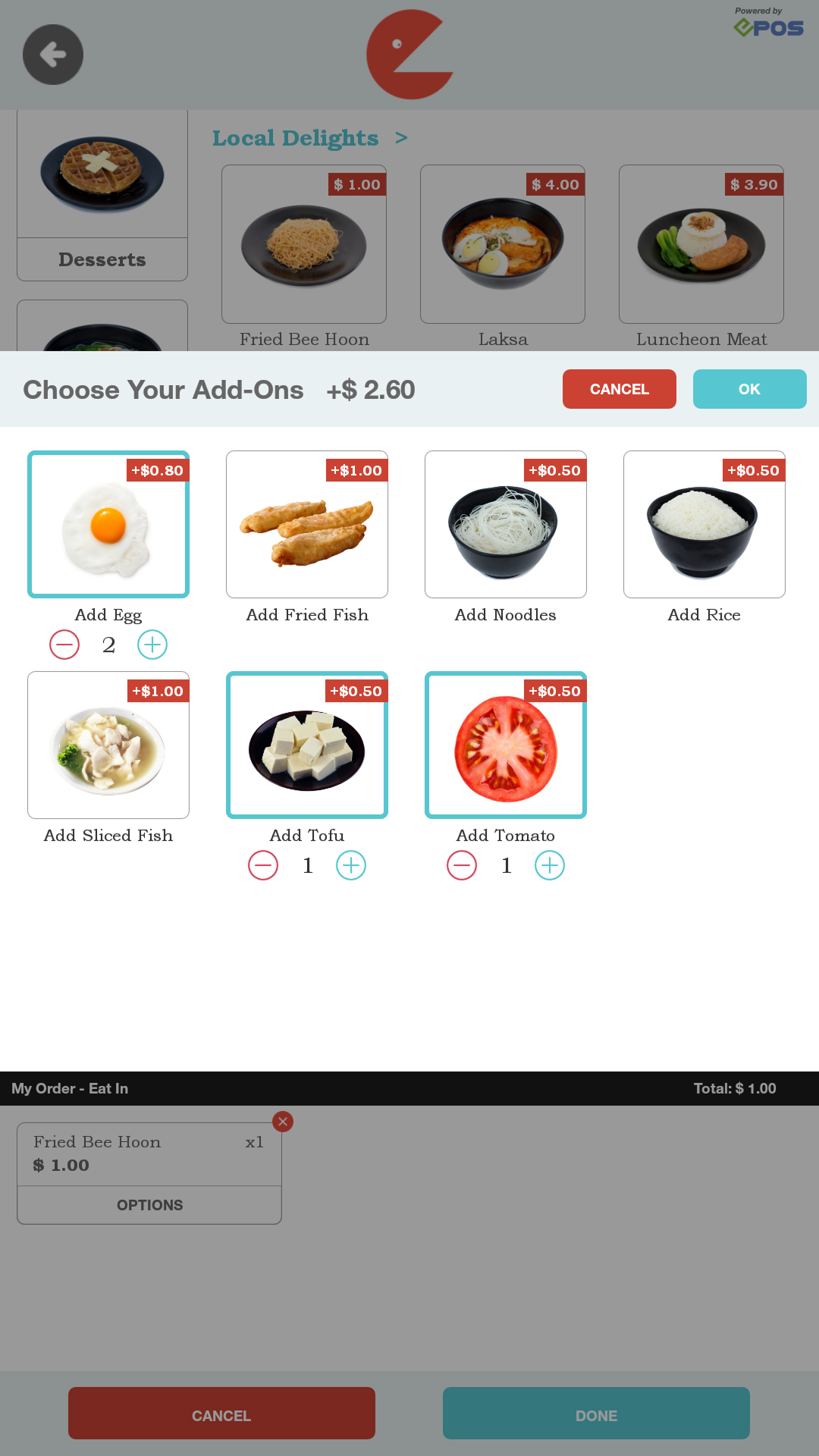
Customizable Add-Ons
Visual grid layout showcasing popular add-ons with pricing, making it easy for customers to customize their orders with eggs, extra ingredients, or sides.
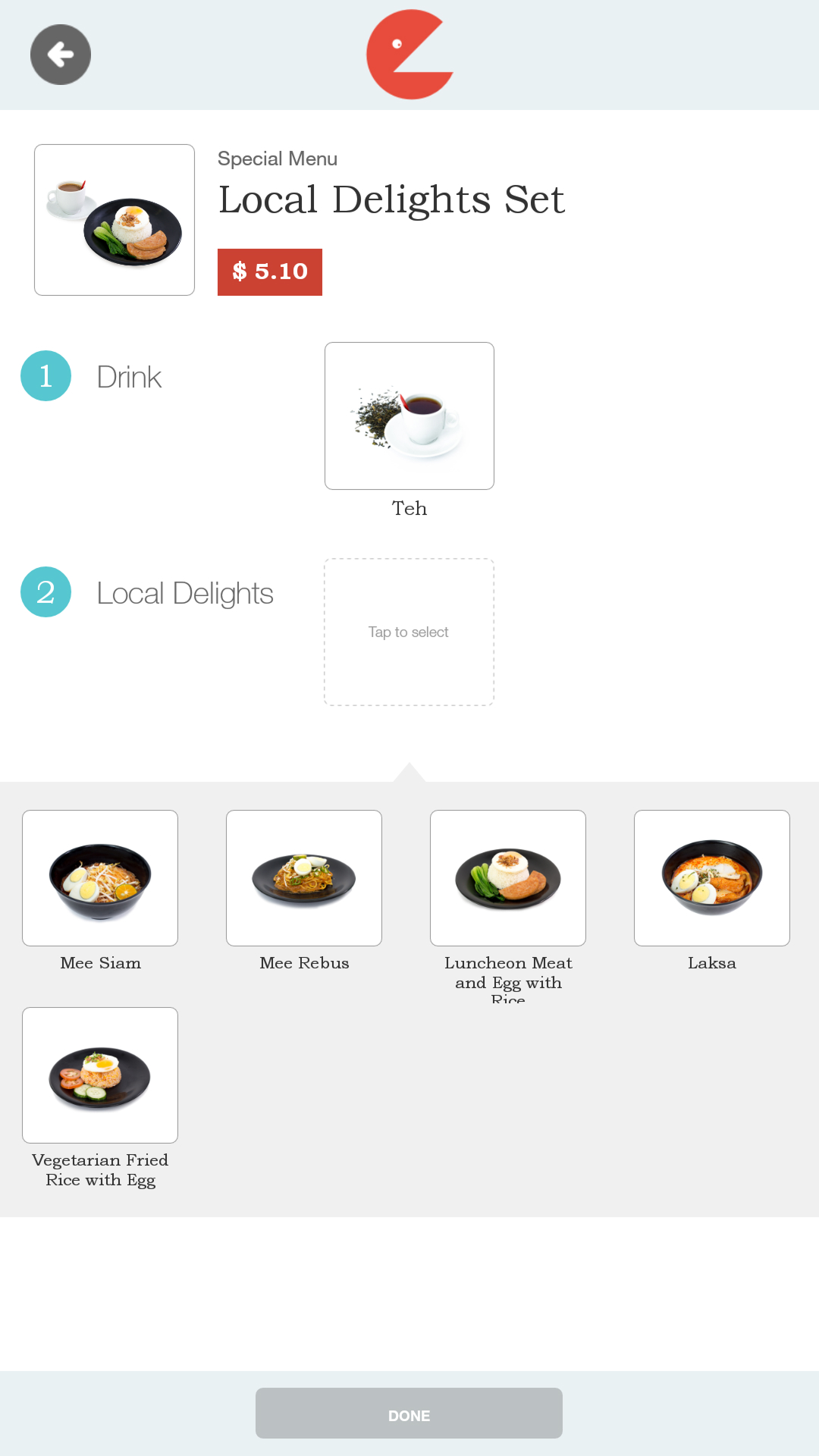
Smart Bundle Suggestions
Context-aware prompts appear at optimal moments, suggesting value-packed set meals that complement the customer's current selection.
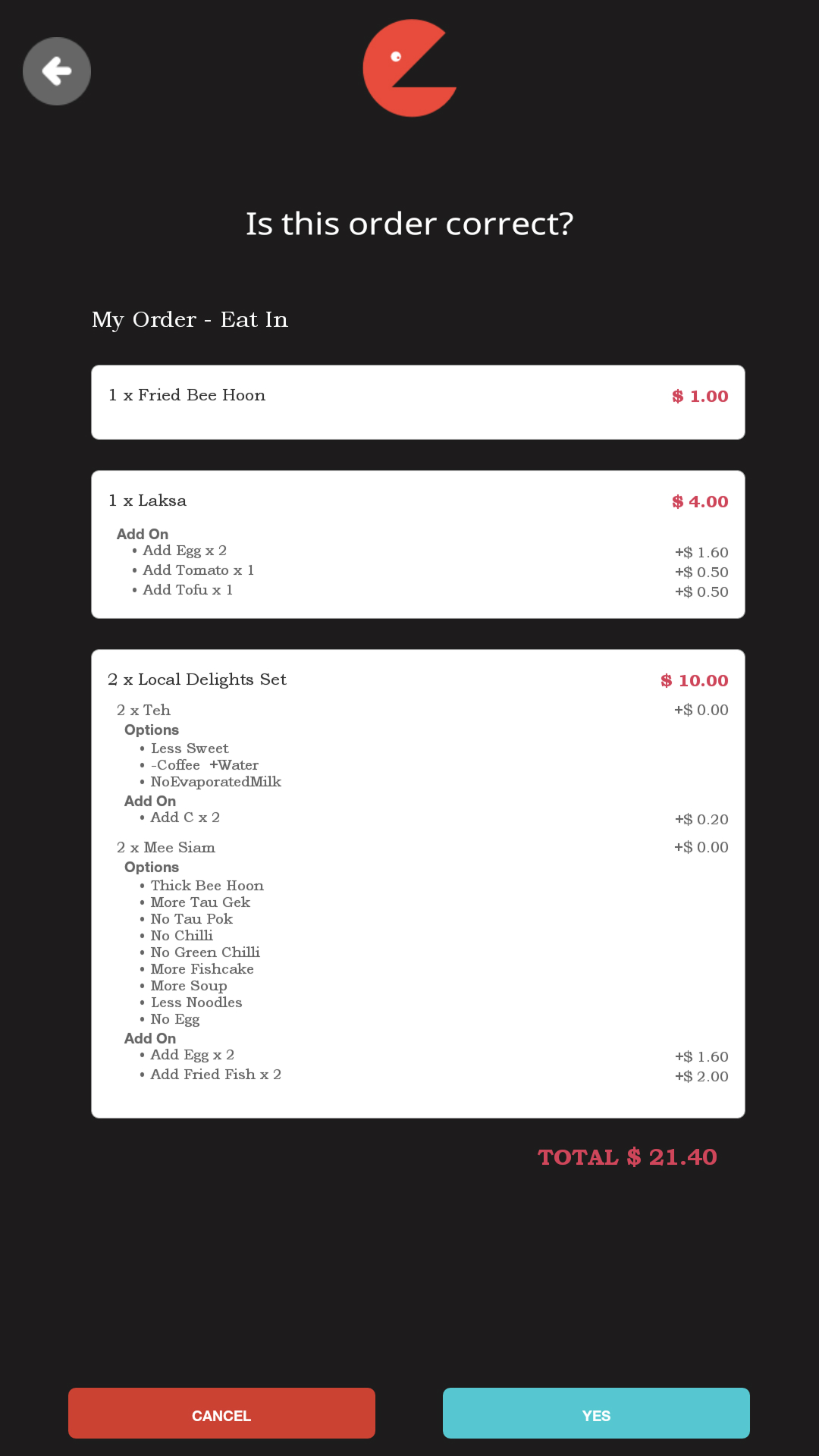
Clear Value Communication
Transparent pricing and visual meal composition help customers understand the value proposition, increasing bundle conversion rates.
Upselling Impact
Increase in average order value through strategic upselling
Of customers accepted at least one add-on suggestion
Higher bundle adoption vs. traditional menu boards
Key Learnings
- 1 Large touch targets (minimum 60px) were crucial for accuracy in a standing, fast-paced environment where users don't have fine motor control.
- 2 Visual menu items with photos significantly outperformed text-only options, reducing decision time by 45% and increasing order confidence.
- 3 The "recommended for you" feature based on popular combinations drove both faster ordering and higher satisfaction, as customers appreciated guidance without feeling pressured.